Buba Galadima Biography
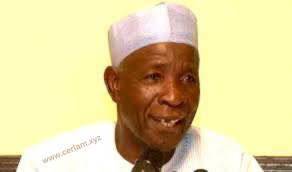
Introduction to Buba Galadima
Buba Galadima Biography: When we talk about strong, outspoken, and influential voices in Nigerian politics, one name consistently stands out, Buba Galadima Biography. Known for his sharp commentary and strategic political maneuvers, Galadima has remained relevant across multiple political eras.
This detailed Buba Galadima Biography explores his early beginnings, rise within Nigeria’s political structure, alliances, conflicts, ideological shifts, and enduring legacy. His story is not just about party politics. It’s about resilience, boldness, and the art of political survival.
Early Life and Background
Family Roots and Cultural Heritage
Buba Galadima was born in Yobe State, Nigeria, into a culturally rich northern Nigerian environment. Growing up in northern Nigeria often means being deeply connected to tradition, community values, and religious influence. These early cultural foundations shape leadership perspectives in powerful ways.
Northern Nigeria has long been a stronghold of political influence in the country. From a young age, Galadima was exposed to discussions about governance, authority, and national unity.
Childhood and Formative Years
His early years were shaped by discipline and community engagement. In many traditional Nigerian households, leadership traits are noticed early. Confidence, strong communication, and assertiveness are qualities often encouraged.
These characteristics later became visible in his political career. You could say his formative years planted the seeds of bold political expression.
Education and Intellectual Development
Academic Journey
Education plays a key role in shaping political minds. Galadima pursued formal education during a period when Nigeria was navigating political transitions and military rule.
Exposure to governance structures and public administration concepts provided him with a strong foundation. Education sharpened his understanding of policy, governance systems, and national development challenges.
Early Political Awareness
While still young, he developed a keen interest in political movements. Nigeria’s dynamic political environment meant that debates about democracy, military governance, and reform were always in the air.
This environment acted like a training ground. It built awareness and strengthened his ability to navigate complex political landscapes.
Entry into Nigerian Politics
Initial Political Affiliations
Galadima’s early political involvement connected him to influential northern political circles. His strategic mindset and loyalty helped him build relationships within emerging political platforms.
Political entry in Nigeria requires alliances, patience, and a strong grassroots presence. Galadima mastered these elements early.
Rise Within Party Structures
Over time, he climbed the ranks within party hierarchies. Leadership roles followed, positioning him as a trusted strategist. His organizational skills and assertiveness helped him stand out.
Politics in Nigeria is competitive. To survive, one must adapt quickly. Galadima demonstrated that adaptability repeatedly.
Role in National Political Movements
Contribution to Party Formation
One of the defining aspects of his career was his involvement in the formation and restructuring of major political parties. He was closely associated with the evolution of opposition movements that eventually shaped national leadership outcomes.
Political parties are like engines, they require fuel, structure, and direction. Galadima played a role in fueling those engines during critical political transitions.
Alliance Building
He understood something crucial: politics is about networks. Building alliances across regions and ideologies became one of his strengths.
Strategic collaboration expanded his influence beyond his immediate constituency.
Relationship with Muhammadu Buhari
A major chapter in this biography involves his long-standing association with Muhammadu Buhari.
Collaboration and Political Partnership
For years, Galadima was considered a close ally of Buhari. They worked together in opposition politics and party development.
Their alliance was built on shared northern political values and mutual strategic goals.
Political Divergences
However, politics evolves. Differences emerged, leading to a public split. Divergences over governance direction and party dynamics shifted their relationship.
Such splits are not unusual in politics. Alliances are often shaped by circumstance and ideology.
Leadership Style and Ideology
Core Political Beliefs
Galadima is widely regarded as outspoken and unfiltered. He rarely avoids controversial opinions. His ideology reflects northern political interests combined with strong democratic engagement.
He advocates for accountability, party discipline, and national unity.
Public Communication Approach
His communication style is direct. Some see it as bold; others view it as confrontational. But one thing is clear — it captures attention.
In politics, visibility is currency. Galadima knows how to command it.
Controversies and Political Challenges
Party Conflicts
Political careers rarely move in straight lines. Galadima has faced internal party conflicts and public criticism.
He has been both praised and criticized for his blunt commentary on party leadership decisions.
Media Spotlight
The Nigerian media often highlights his statements, especially during election cycles. He remains a regular voice in political discussions.
Controversy, in his case, often strengthens rather than weakens his relevance.
Influence in Opposition Politics
Role in PDP
After leaving previous alliances, Galadima became associated with the Peoples Democratic Party.
His involvement in opposition politics demonstrated his strategic flexibility. Rather than retreating from public life, he repositioned himself.
Strategic Political Commentary
He frequently offers commentary on national governance issues. His analysis often sparks debate.
Political commentators shape narratives. Buba Galadima understands this power well.
Legacy and Impact on Nigerian Politics
Contributions to Democratic Discourse
His long career spans multiple political transitions in Nigeria. Through alliances and oppositions, he has remained part of national conversations.
Whether one agrees with him or not, his voice has contributed to democratic discourse.
Long-Term Political Influence
Influence is not measured only by holding office. It is measured by impact on discussions, party direction, and public opinion.
Galadima’s influence extends beyond formal titles.
Personal Life and Character
Family and Values
Despite public prominence, he maintains aspects of privacy. His cultural and religious values remain central to his identity.
Family often serves as the anchor for political leaders navigating turbulent environments.
Reputation Among Peers
Among peers, he is viewed as strategic and resilient. His ability to remain politically relevant across decades speaks volumes.
In Nigerian politics, longevity equals influence.
Conclusion
The story captured in this Buba Galadima Biography reflects the journey of a seasoned political strategist who has navigated Nigeria’s complex political terrain for decades. From early involvement in party formation to high-profile alliances and public disagreements, his career showcases resilience and adaptability.
Politics in Nigeria is rarely predictable. Yet through shifting alliances and ideological transitions, Galadima has maintained visibility and influence. His bold communication style, strategic alliances, and willingness to challenge leadership decisions ensure his place in Nigeria’s modern political history.
His legacy continues to evolve — shaped by future political developments and ongoing national debates.
FAQs
1. Who is Buba Galadima?
He is a Nigerian politician known for his outspoken views and long-standing involvement in party politics.
2. What political parties has he been associated with?
He has worked with major Nigerian political parties, including opposition movements and the PDP.
3. Was he allied with Muhammadu Buhari?
Yes, he was once a close ally before political differences led to a split.
4. Why is he considered influential?
His strategic alliances, media presence, and longevity in politics contribute to his influence.
5. What defines his leadership style?
Bold communication, strategic positioning, and strong ideological expression define his style.