Jimoh Ibrahim Biography

Who Is Jimoh Ibrahim?
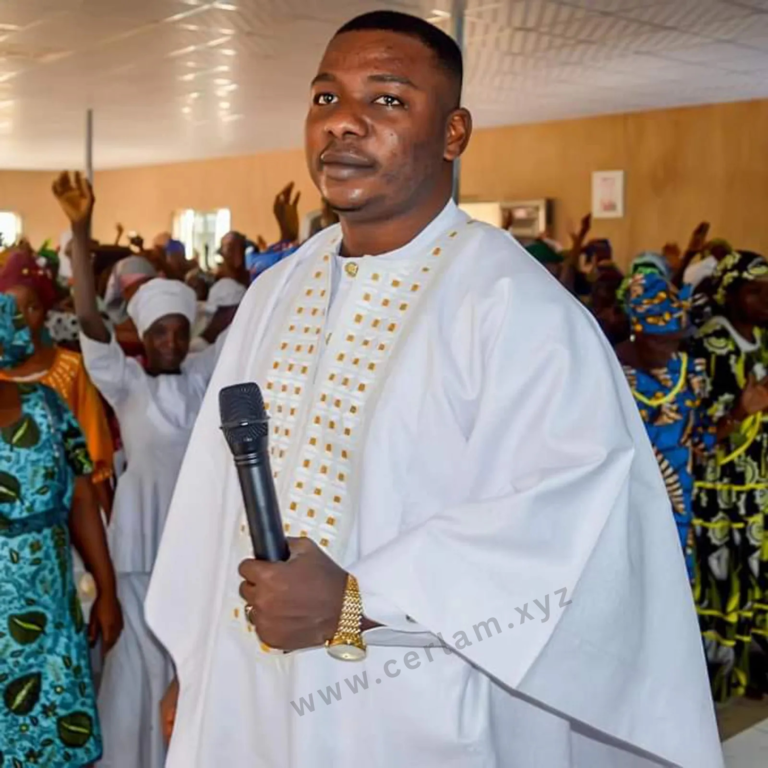
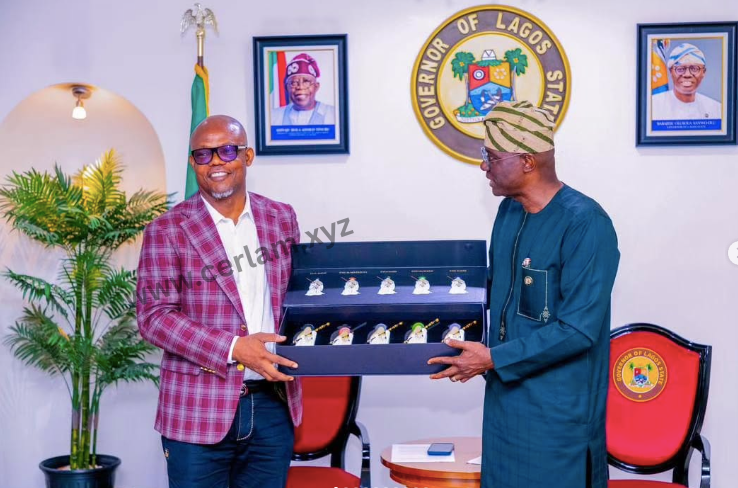
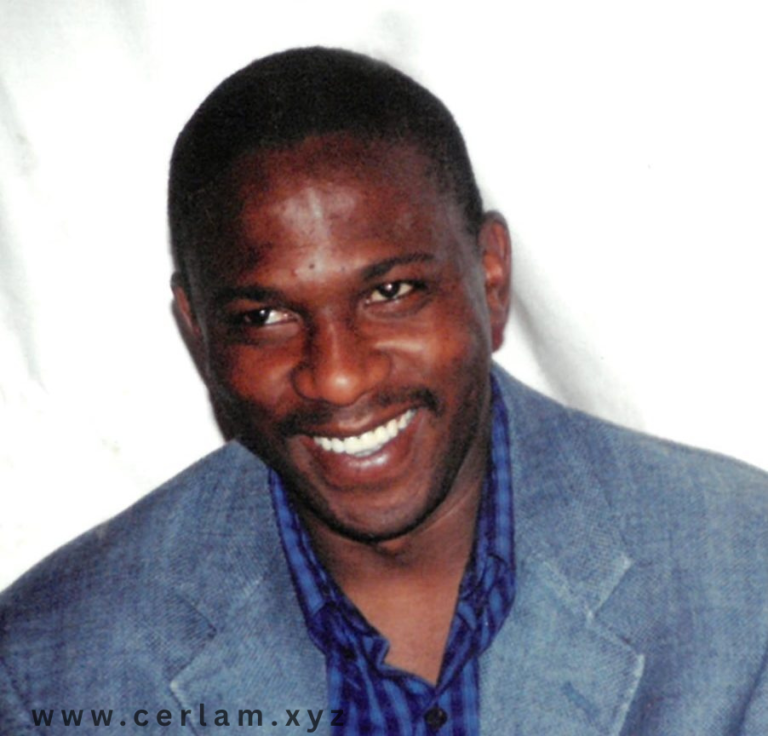
Jimoh Ibrahim Biography: Jimoh Ibrahim is one of Nigeria’s most recognizable business magnates and political figures. Known for his dynamic personality and entrepreneurial drive, he has built a reputation as a lawyer, billionaire businessman, politician, and philanthropist. Over the years, his name has become associated with major investments across sectors such as oil and gas, hospitality, aviation, insurance, and media. For many Nigerians, his story represents the classic narrative of rising from humble beginnings to becoming a powerful figure in both business and politics.
Born on February 24, 1967, in Igbotako, Okitipupa Local Government Area of Ondo State, Ibrahim grew up in a modest household that required resilience and hard work. His father was a bricklayer while his mother sold fish locally, meaning the family relied heavily on small-scale income streams. From these humble roots, Ibrahim developed the determination that would later fuel his success in entrepreneurship and politics.
His career journey is unique because it bridges two worlds that rarely intersect seamlessly: business and public service. Ibrahim first built his wealth through business ventures before transitioning into politics, eventually becoming a senator representing Ondo South Senatorial District in 2023. In 2026, his profile expanded further when he was appointed Nigeria’s Permanent Representative to the United Nations, marking a new chapter in his career in diplomacy and global affairs.
Many people see Ibrahim as a symbol of ambition. Whether admired or criticized, his journey continues to generate public interest. His story highlights the complex blend of education, business acumen, political ambition, and strategic networking required to succeed at the highest levels of Nigerian society.
Quick Profile Summary
| Attribute | Details |
|---|---|
| Full Name | Jimoh Folorunso Ibrahim |
| Date of Birth | February 24, 1967 |
| Place of Birth | Igbotako, Ondo State, Nigeria |
| Profession | Lawyer, Businessman, Politician |
| Political Party | All Progressives Congress (APC) |
| Known For | Founder of Global Fleet Group |
| Senate Position | Senator for Ondo South (2023–2025) |
| Current Role | Nigeria’s UN Representative (Designate) |
| Education | OAU, Harvard University, Cambridge University |
This profile offers a glimpse into the life of a man who transformed himself from the son of a bricklayer into a global political and business figure.
Early Life and Family Background
Childhood in Ondo State
Jimoh Ibrahim Biography: Growing up in a rural environment often shapes a person’s character, and Jimoh Ibrahim’s childhood in Ondo State was no exception. Born in Igbotako, a town within Okitipupa Local Government Area, he spent his early years in a community where survival depended on perseverance and resourcefulness. Life in this region during the late 1960s and 1970s was not always easy. Economic opportunities were limited, and families often relied on manual labor and small-scale trading to survive.
Ibrahim’s father worked as a bricklayer, a profession that required intense physical labor and long hours under the sun. Meanwhile, his mother sold fish in local markets to support the household. These humble beginnings exposed young Ibrahim to the realities of hard work early in life. Watching his parents struggle to provide for their children likely influenced his determination to pursue financial independence.
Another defining aspect of his childhood was the size of his family. Ibrahim was born into a large polygamous household with dozens of siblings. In such an environment, competition for resources was inevitable. Simple things like education, clothing, and food had to be shared among many children. These conditions fostered resilience and adaptability.
Children raised in large families often develop strong survival instincts. They learn to negotiate, compete, and cooperate simultaneously. Ibrahim’s upbringing seems to have nurtured these qualities, preparing him for the competitive worlds of business and politics.
His early environment also taught him the importance of community. In rural Nigeria, neighbors often support one another during difficult times. This collective spirit likely influenced his later involvement in philanthropy and community development initiatives.
Growing Up in a Large Family
Being one among many siblings can shape a person’s personality in powerful ways. For Ibrahim, growing up in a polygamous family meant constantly learning how to stand out. With multiple children vying for attention and opportunities, ambition becomes a survival strategy.
Education quickly became his pathway to differentiation. While many children in rural communities might drop out of school early to support family businesses, Ibrahim remained committed to pursuing higher education. His determination to study law and administration reflected a desire to break free from the cycle of poverty that surrounded him.
Large families also foster independence. Young Ibrahim learned to take initiative and make decisions early in life. These skills would later prove invaluable when launching business ventures and navigating political structures.
Education and Academic Achievements
Early Schooling
Jimoh Ibrahim Biography: Jimoh Ibrahim began his educational journey at Community Grammar School in Igbotako and later attended Federal School of Arts and Science in Ondo State. These institutions provided the academic foundation that prepared him for higher education.
His early academic years revealed a student with a strong appetite for knowledge. Teachers reportedly noticed his curiosity and willingness to engage in discussions beyond classroom requirements. Education, for him, was not merely about passing exams; it was about understanding systems, laws, and economic structures.
University Education and Legal Training
Ibrahim later attended Obafemi Awolowo University (OAU) in Ile-Ife, one of Nigeria’s most prestigious universities. There, he studied law and earned a Bachelor of Laws (LLB) degree.
He didn’t stop there. After completing his law degree, he pursued a Master of Public Administration (MPA) at the same institution. This combination of legal and administrative training prepared him for both corporate leadership and government service.
International Academic Achievements
Jimoh Ibrahim later expanded his academic journey internationally. He attended Harvard University, where he obtained a Master of Laws (LLM) with specialization in international taxation.
In 2022, he achieved another milestone by earning a Doctor of Business Administration from the University of Cambridge, making him one of the few Nigerians to attain such a qualification from the institution.
These academic achievements highlight his commitment to continuous learning. For Ibrahim, education became both a personal passion and a strategic tool for leadership.
Early Career and Entrepreneurial Journey
First Business Ventures
Jimoh Ibrahim Biography: Jimoh Ibrahim’s entrepreneurial instincts emerged early in life. During his youth service period, he began organizing seminars and workshops for local governments on legal matters. These seminars proved extremely profitable, generating millions of naira in revenue.
This early success demonstrated his ability to identify opportunities where others saw obstacles.
Founding Global Fleet Group
Eventually, Ibrahim founded Global Fleet Group, a conglomerate with interests across multiple industries.
The company operates in sectors including:
- Oil and gas distribution
- Aviation
- Hospitality
- Insurance
- Real estate
- Media
Through this conglomerate, Ibrahim built a powerful business empire.
Major Business Interests
One of the most notable aspects of Ibrahim’s career is the diversity of his investments. Global Fleet Group controls several subsidiaries, including NICON Insurance, NICON Luxury Hotel, and Air Nigeria.
| Sector | Key Investments |
|---|---|
| Oil & Gas | Global Fleet Oil & Gas |
| Hospitality | NICON Luxury Hotel |
| Aviation | Air Nigeria |
| Insurance | NICON Insurance |
| Media | Newswatch & National Mirror |
This diversified approach reduces risk while expanding influence across industries.
Entry into Nigerian Politics
Jimoh Ibrahim eventually transitioned from business into politics. His wealth and influence made him a prominent figure within the All Progressives Congress (APC).
Winning the Ondo South Senatorial Seat
In 2023, Ibrahim contested and won the Ondo South Senatorial District election, securing over 110,000 votes.
Role in the Nigerian Senate
Jimoh Ibrahim Biography: As a senator, Ibrahim focused on legislative initiatives related to regional development, infrastructure, and education.
Appointment as Nigeria’s UN Representative
In 2026, President Bola Ahmed Tinubu appointed Ibrahim as Nigeria’s Permanent Representative to the United Nations.
This appointment elevated his influence from national politics to global diplomacy.
Philanthropy and Community Impact
Jimoh Ibrahim has supported numerous community initiatives, including educational scholarships, infrastructure development, and economic empowerment programs.
Personal Life and Family
Despite his busy career, Ibrahim maintains strong family ties. He is married and has several children.
Net Worth and Business Influence
Jimoh Ibrahim Biography: Estimates of his wealth vary widely, with some reports placing his net worth between $1 billion and $3 billion depending on valuation methods.
Legacy and Influence in Nigeria
Jimoh Ibrahim’s legacy lies in his ability to bridge entrepreneurship, politics, and education. His story continues to inspire young Nigerians who dream of achieving success despite humble beginnings.
Business Philosophy and Leadership Style
Jimoh Ibrahim Biography: The success story of Jimoh Ibrahim cannot be fully understood without examining the philosophy that guides his approach to business and leadership. Throughout his career, Ibrahim has often described entrepreneurship as a combination of vision, calculated risk, and relentless persistence. Many of his investments were made in sectors that other investors considered uncertain at the time. Instead of avoiding risk, he learned how to manage it strategically.
One principle that consistently appears in his public statements is the belief that education and business intelligence must go hand in hand. Ibrahim has repeatedly emphasized that academic knowledge can strengthen business decision-making. This philosophy explains why he continued pursuing advanced degrees even after establishing a successful business empire. While many entrepreneurs shift their focus entirely toward expanding their companies, Ibrahim continued to invest time in academic development. For him, education was not merely a personal achievement; it was a strategic tool for leadership.
Another element of his leadership style involves diversification. Rather than concentrating all resources in a single industry, Ibrahim spread investments across multiple sectors such as oil and gas, aviation, hospitality, insurance, and media. This approach reduces financial vulnerability when one industry experiences economic downturns. It also creates multiple revenue streams that can sustain long-term growth.
Colleagues and observers often describe him as an aggressive but visionary business strategist. Aggressiveness in this context does not mean recklessness; it refers to the willingness to move quickly when opportunities appear. In competitive markets, hesitation can mean losing valuable deals. Ibrahim’s ability to act decisively has helped him acquire businesses and expand his corporate network.
Leadership also involves people management, and Ibrahim’s companies employ thousands of workers across different sectors. Managing such a large workforce requires organizational structure, delegation, and accountability systems. By establishing specialized subsidiaries within Global Fleet Group, he created a structure that allows individual companies to operate independently while still contributing to the overall corporate vision.
His leadership philosophy ultimately reflects a simple idea: growth comes from bold thinking combined with disciplined execution. This approach has shaped his business empire and continues to influence how he approaches political and diplomatic responsibilities.
Influence in Nigeria’s Oil and Gas Industry
Jimoh Ibrahim Biography: Nigeria’s economy is heavily tied to the oil and gas sector, making it one of the most competitive industries in the country. Through Global Fleet Group, Jimoh Ibrahim secured a significant presence within this sector, positioning his companies as key players in petroleum distribution and related services. His entry into the industry was strategic because energy resources represent one of Nigeria’s most valuable economic assets.
The oil and gas sector requires substantial capital investment, regulatory approval, and international partnerships. Many entrepreneurs hesitate to enter the industry because of these barriers. Ibrahim, however, viewed the sector as an opportunity to participate in the backbone of Nigeria’s economy. By establishing companies involved in petroleum trading and logistics, he positioned Global Fleet Group within a network that connects energy production to distribution.
Participation in this industry also exposes companies to global market dynamics. Oil prices fluctuate based on international supply and demand, geopolitical tensions, and economic trends. Businesses operating within this sector must constantly adapt to changing market conditions. Ibrahim’s ability to maintain a presence in such a volatile industry demonstrates strong strategic planning.
Another aspect of his involvement lies in infrastructure development. Oil distribution requires storage facilities, transportation systems, and logistics networks capable of moving products across the country. Investments in these areas contribute not only to business profits but also to national economic development.
His activities in the oil sector have occasionally sparked debate among analysts and political observers. Large business operations often attract scrutiny, particularly when they intersect with government regulations and public policy. Despite controversies that occasionally arise in Nigeria’s complex business environment, Ibrahim’s continued presence in the industry indicates resilience and adaptability.
Participation in the oil and gas sector also strengthens his influence in economic policy discussions. Energy companies play a critical role in shaping national economic strategies, making industry leaders valuable contributors to policy conversations. Through his business ventures, Ibrahim has become part of a broader network of entrepreneurs influencing Nigeria’s economic direction.
Media and Communication Investments
Another fascinating dimension of Jimoh Ibrahim’s business portfolio is his involvement in the media industry. Media organizations shape public opinion, inform citizens, and influence political discourse. Recognizing the importance of this sector, Ibrahim invested in several media outlets, including newspapers and publishing companies.
Ownership of media platforms provides opportunities to participate in national conversations about governance, economic policy, and social issues. Media companies serve as channels for information dissemination, enabling leaders to reach large audiences. Through these platforms, Ibrahim expanded his presence beyond traditional business sectors.
One notable media asset associated with his business empire is the Newswatch magazine, which once ranked among Nigeria’s most influential publications. By acquiring and revitalizing media organizations, Ibrahim demonstrated interest in preserving journalistic platforms while integrating them into his corporate structure.
Media ownership also complements political engagement. Politicians and business leaders often rely on communication strategies to present ideas, defend policies, and explain decisions to the public. Having access to media platforms can facilitate these interactions, though it also raises discussions about editorial independence and media ethics.
The digital transformation of media has created new opportunities and challenges for investors. Traditional print publications must adapt to online readership trends, social media engagement, and digital advertising models. Ibrahim’s media investments reflect an awareness of these changes and the need to modernize communication platforms.
Media ventures also contribute to employment opportunities for journalists, editors, designers, and technical staff. By sustaining media companies, Ibrahim’s investments indirectly support Nigeria’s information industry.
These ventures illustrate another layer of his entrepreneurial strategy: influence extends beyond financial profit into communication and public engagement. Through media ownership, he participates in shaping conversations that affect both business and political landscapes.
Political Vision and Legislative Contributions
Jimoh Ibrahim Biography: Jimoh Ibrahim’s transition from business to politics reflects a pattern common among wealthy entrepreneurs who seek to influence national policy directly. His election to the Nigerian Senate provided an opportunity to transform private-sector experience into legislative action.
Representing Ondo South Senatorial District, Ibrahim entered the Senate with a reputation as a successful entrepreneur. Many constituents viewed his business experience as an asset that could bring economic insight into legislative discussions. In political campaigns, he often emphasized development goals such as infrastructure improvement, economic empowerment, and education expansion.
Legislative responsibilities involve participating in debates, sponsoring bills, and collaborating with other lawmakers to shape national policies. Senators play a critical role in reviewing budgets, approving government appointments, and overseeing executive actions. Through these responsibilities, Ibrahim gained direct influence over Nigeria’s governance framework.
One area where business leaders often contribute valuable perspectives is economic policy. Entrepreneurs understand market dynamics, taxation challenges, and regulatory obstacles faced by companies. By bringing this knowledge into legislative debates, Ibrahim could advocate policies aimed at encouraging investment and job creation.
Another focus of his political career involved regional development. Ondo South includes coastal communities that rely heavily on fishing, agriculture, and oil-related activities. Infrastructure development, education programs, and economic diversification remain important priorities for the region.
Political life, however, often exposes leaders to criticism and public scrutiny. Constituents expect transparency, accountability, and measurable progress. Navigating these expectations requires strong communication skills and consistent engagement with voters.
Through his time in the Senate, Ibrahim continued expanding his political network while maintaining involvement in business and academic pursuits. His career path illustrates how entrepreneurship and public service can intersect within Nigeria’s political landscape.
Diplomatic Role and Global Representation
The appointment of Jimoh Ibrahim as Nigeria’s Permanent Representative to the United Nations represents a significant milestone in his career. Diplomatic roles require a different set of skills compared to business leadership or legislative work. Diplomats must navigate international negotiations, represent national interests, and collaborate with representatives from dozens of countries.
The United Nations serves as a global forum where governments discuss issues such as security, climate change, economic development, and humanitarian crises. Nigeria’s representative participates in these discussions, presenting the country’s perspectives and contributing to international policy decisions.
Ibrahim’s academic background in international law and public administration provides a foundation for this diplomatic responsibility. His exposure to global institutions during studies at Harvard and Cambridge likely prepared him for interactions within international policy environments.
Diplomacy also requires cultural awareness and communication skills. Representatives must build relationships with diplomats from different regions, each bringing unique political and cultural perspectives. Negotiations often involve balancing national interests with global cooperation.
Serving at the United Nations places Ibrahim within an elite circle of international policymakers. Decisions and discussions within the organization influence global economic agreements, peacekeeping missions, and humanitarian initiatives.
This diplomatic role represents a transition from domestic politics toward global engagement. For Nigeria, having representatives with diverse experiences—business, academic, and political—can strengthen diplomatic strategies.
The appointment highlights another dimension of Ibrahim’s career evolution. From a small town in Ondo State to international diplomatic circles, his journey illustrates the far-reaching possibilities created through education, entrepreneurship, and political involvement.
Impact on Entrepreneurship in Nigeria
Jimoh Ibrahim’s rise from modest beginnings to billionaire status has inspired many aspiring entrepreneurs across Nigeria. Stories like his resonate strongly in societies where economic mobility remains a major aspiration for young people. For students, business owners, and professionals seeking motivation, his journey offers lessons about persistence and strategic thinking.
Entrepreneurship in Nigeria often involves navigating economic instability, limited access to capital, and regulatory challenges. Entrepreneurs must be innovative and adaptable to survive. Ibrahim’s career demonstrates how diversified investments and bold decision-making can help businesses grow despite these obstacles.
One lesson many observers draw from his story is the importance of education combined with practical experience. Ibrahim did not rely solely on academic achievements or business instincts; he integrated both. By pursuing advanced degrees while building companies, he created a unique combination of theoretical knowledge and real-world experience.
Another important takeaway involves network building. Business and politics rely heavily on relationships with partners, investors, regulators, and policymakers. Ibrahim’s ability to maintain networks across different sectors contributed to the expansion of his business empire.
Entrepreneurs also learn from his willingness to enter competitive industries. Instead of avoiding sectors dominated by large corporations, he sought opportunities within them. This bold approach demonstrates the value of confidence and strategic positioning.
Young Nigerians frequently discuss entrepreneurship as a pathway toward economic independence. Stories of successful business leaders provide motivation for those starting small ventures or pursuing innovative ideas. Ibrahim’s journey reminds aspiring entrepreneurs that success often requires patience, learning, and resilience.
His career continues to serve as a case study for business students and analysts studying African entrepreneurship. Through both achievements and challenges, his experiences illustrate the complexities of building large-scale enterprises in emerging markets.
Conclusion
Jimoh Ibrahim’s life story reflects ambition, resilience, and strategic vision. From a small town in Ondo State to international diplomatic circles, his journey illustrates how determination and education can transform a person’s destiny.
FAQs
1. Who is Jimoh Ibrahim?
Jimoh Ibrahim is a Nigerian businessman, lawyer, and politician.
2. When was Jimoh Ibrahim born?
He was born on February 24, 1967.
3. What company did Jimoh Ibrahim found?
He founded Global Fleet Group, a diversified conglomerate.
4. What political position has he held?
He served as Senator representing Ondo South Senatorial District.
5. What is his current international role?
He was appointed Nigeria’s Permanent Representative to the United Nations.