
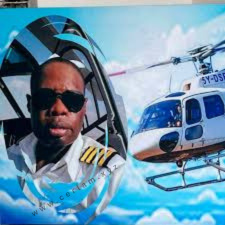
Introduction to George Were
George Were Biography: Life, Career, and Legacy of a Veteran Kenyan Pilot
The story of George Were is one that blends dedication, courage, and decades of service in the aviation industry. Known as an experienced pilot with a calm demeanor and remarkable professionalism, George Were spent more than four decades flying aircraft and helicopters across Kenya. His career stretched from military service to civilian aviation, leaving a mark on both sectors. Over the years, he accumulated more than 4,000 hours of flight experience, making him one of the respected veteran pilots in the country.
Yet George Were’s story is not simply about flying aircraft. It is about discipline, leadership, and the quiet resilience that defines individuals who dedicate their lives to public service. Like many aviation professionals, his career demanded constant focus, long hours, and the ability to make life-or-death decisions in seconds. Pilots operate in an environment where every action counts, and George Were proved capable of handling those responsibilities throughout his career.
His life gained widespread public attention following the tragic helicopter crash in Nandi County, Kenya, on February 28, 2026, which claimed his life and the lives of five other passengers. The incident sparked national discussions about aviation safety and the risks pilots face daily. While the tragedy ended his life, it also highlighted the depth of his experience and the contributions he made to aviation in Kenya.
George Were Biography: Life, Career, and Legacy: Understanding George Were’s biography offers insight into the world of professional pilots and the sacrifices they make. From his humble beginnings in rural Kenya to a respected position in aviation, his life demonstrates how determination and discipline can shape a remarkable career.
Early Life and Background
Birthplace and Childhood
George Were was born and raised in Kabienge village in Nyakach, Kisumu County, Kenya, a region known for its strong community values and deep cultural traditions. Growing up in a rural setting, life was simple but demanding. Children in such communities often learn responsibility early, helping families with chores and contributing to daily activities. These experiences shape resilience and a sense of discipline—qualities that would later define George Were’s professional life.
The environment in which he grew up was far removed from the sophisticated world of aviation. At that time, the idea of flying helicopters or military aircraft might have seemed almost impossible for a child from a small village. Yet stories of aircraft flying overhead or tales of military pilots often ignite dreams in young minds. For George Were, these early influences likely sparked a fascination with aviation and the idea of exploring the skies.
Life in rural Kenya also emphasized community relationships. Neighbors knew one another, families shared responsibilities, and elders played key roles in guiding younger generations. Growing up in such an environment likely gave George Were a strong moral foundation and a deep respect for teamwork—traits essential for any pilot who must work closely with crew members, engineers, and air traffic controllers.
Childhood experiences often shape the future in subtle ways. For George Were, the values of discipline, perseverance, and community support formed the bedrock upon which his later achievements were built.
Family Influence and Upbringing
Family played an important role in shaping George Were’s character. Being the firstborn child in his family, he naturally carried responsibilities that went beyond his own personal ambitions. In many African households, the firstborn often serves as a guide and role model for younger siblings. This position teaches leadership, accountability, and emotional maturity from an early age.
George Were’s family environment reportedly emphasized discipline and education. These two elements often act like twin engines driving success. Discipline ensures consistency, while education opens doors to opportunities that might otherwise remain unreachable. The support and expectations from his family likely pushed him to pursue ambitious goals, including a career in aviation.
Relatives and community members described him as dependable and caring. Such descriptions suggest a personality grounded in humility rather than arrogance. Pilots, after all, must possess confidence without recklessness. The ability to remain calm under pressure often comes from a stable emotional foundation, something George Were appeared to possess.
His upbringing also instilled a strong connection to his roots. Even after building a successful career, he remained linked to his community in Kisumu County. That connection served as a reminder of where he came from and the people who believed in him. For many professionals, such roots act as an anchor that keeps them grounded despite career success.
Education and Early Aspirations
Academic Journey
Education played a crucial role in George Were’s path toward aviation. Like many aspiring pilots, he needed a strong academic foundation, particularly in subjects like mathematics and physics. These disciplines are essential in aviation because they help pilots understand flight mechanics, navigation systems, and aircraft performance.
Although detailed records of his early schooling remain limited, it is clear that George Were pursued education with seriousness and determination. Aviation is a field that demands rigorous training and technical knowledge. Candidates must pass strict medical tests, demonstrate sharp decision-making skills, and master complex equipment.
For someone growing up in a rural environment, gaining access to advanced training requires persistence. It often involves leaving home to attend specialized institutions or military academies. Such transitions can be challenging but also transformative. Education becomes the bridge connecting childhood dreams to professional achievements.
In George Were’s case, education helped him develop the technical competence required for aviation. It also likely introduced him to mentors and instructors who recognized his potential. Teachers often play a quiet but powerful role in shaping future professionals by encouraging students to pursue ambitious careers.
Passion for Aviation
Every pilot’s story begins with a spark of curiosity. For George Were, that spark turned into a lifelong passion for aviation. Aircraft have a unique ability to inspire awe. Watching a helicopter rise effortlessly into the sky can ignite dreams that remain with someone for decades.
Aviation is not just a job—it is a calling. Pilots must dedicate years to training and continuously update their skills. The industry evolves rapidly with new technologies, safety procedures, and navigation systems. Only individuals with genuine passion can maintain the commitment required.
For George Were, the dream of flying eventually became reality when he joined the Kenya Air Force in 1983.That moment marked the beginning of a career that would span more than forty years. What started as youthful fascination with aircraft transformed into a professional journey filled with responsibility, service, and adventure.
Joining the Kenya Air Force
Entry into Military Aviation
In 1983, George Were officially began his aviation career by joining the Kenya Air Force, one of the most respected military institutions in the country. Entering military aviation is far from easy. Candidates must pass strict physical examinations, psychological assessments, and competitive selection processes. Only a small percentage of applicants successfully make it through.
Military aviation training is intense. Pilots learn not only how to fly aircraft but also how to operate under high-pressure conditions. They must understand advanced navigation systems, emergency procedures, and tactical operations. The training environment prepares them for situations where mistakes can have severe consequences.
For George Were, joining the Kenya Air Force represented both an honor and a challenge. It placed him in a community of highly skilled professionals committed to national service. Military pilots often perform missions that support national security, disaster response, and logistical operations.
The experience also builds discipline that extends beyond the cockpit. Military culture emphasizes teamwork, precision, and responsibility. These qualities remain with pilots long after they retire from active service.
Training and Early Military Experience
Once inside the Kenya Air Force, George Were underwent rigorous flight training designed to transform recruits into highly skilled pilots. Training programs typically include classroom instruction, simulator practice, and real flight operations under the supervision of experienced instructors.
The early years of a pilot’s career are crucial. During this time, pilots accumulate flight hours, develop confidence, and learn to manage complex situations. Every takeoff and landing adds to their expertise. Over time, these experiences build the instincts required to make quick decisions during emergencies.
George Were gradually developed a reputation for professionalism and reliability. Fellow officers and instructors recognized his commitment to excellence. Aviation relies heavily on trust—pilots must trust their equipment, their training, and each other. Building that trust takes years of consistent performance.
These formative experiences laid the foundation for his long career in aviation. The lessons learned during military training would later guide him throughout his civilian career as well.
Military Career and Achievements
Rising Through the Ranks
George Were’s dedication and skill allowed him to progress steadily through the ranks of the Kenya Air Force. Over the years, he demonstrated the qualities expected of a military officer: discipline, leadership, and technical competence. Eventually, he retired with the rank of Lieutenant Colonel, a significant achievement that reflects decades of service and experience.
Climbing the ranks in the military aviation world requires more than simply accumulating flight hours. Officers must show the ability to lead teams, coordinate complex operations, and maintain the highest standards of safety. As pilots gain experience, they often take on additional responsibilities such as training younger aviators or overseeing mission planning.
George Were’s rise through the ranks suggests he earned the respect of both his superiors and his colleagues. Military environments place heavy emphasis on trust and reliability. A pilot entrusted with leadership roles must be someone who can remain calm under pressure and make sound decisions even in unpredictable circumstances.
Throughout his military career, George Were continued refining his flying skills while mentoring junior personnel. The combination of leadership and technical expertise is what distinguishes seasoned pilots from newcomers. Over time, he became not only a pilot but also a guiding figure for others in the aviation field.
Key Missions and Contributions
During his years in the Kenya Air Force, George Were participated in numerous operations that supported national security and logistical missions. While many military assignments remain confidential, it is widely understood that military pilots play essential roles in transportation, reconnaissance, and emergency response.
Military aviation often involves flying in challenging environments—unpredictable weather, difficult terrain, and urgent situations requiring immediate action. These experiences sharpen a pilot’s ability to react quickly and remain composed. Such skills are vital not only in military missions but also in civilian aviation later in life.
George Were’s career reportedly included over 4,000 hours of flight experience, a remarkable achievement that reflects decades of consistent flying. In aviation, flight hours represent more than numbers. Each hour in the air builds experience and confidence, preparing pilots to handle unexpected situations.
His service to the Kenya Air Force contributed to the broader mission of protecting and supporting the country. Pilots like George Were form the backbone of military aviation, ensuring that operations run smoothly and safely.
Transition to Civilian Aviation
Work at Wilson Airport
After retiring from the Kenya Air Force, George Were did not leave aviation behind. Instead, he transitioned into civilian aviation at Wilson Airport in Nairobi, one of the busiest airports for domestic flights and charter operations in Kenya.
Wilson Airport is a hub for charter flights, tourism transport, and helicopter operations. Pilots working there often fly diverse missions ranging from business travel to emergency evacuations. For experienced military pilots like George Were, the transition to civilian aviation offers an opportunity to continue flying while sharing their expertise in a new environment.
Working at Wilson Airport allowed George Were to remain active in the aviation community. His military background provided a strong foundation for handling complex flights and maintaining high safety standards. Civilian aviation also exposed him to a wider range of assignments, including flights related to government events, tourism operations, and private charters.
Veteran pilots are often valued in civilian aviation because they bring discipline and experience developed during military service. George Were’s presence at Wilson Airport contributed to the professionalism and safety culture of the aviation industry in Kenya.
Helicopter Piloting and Civilian Assignments
In his civilian career, George Were specialized in helicopter piloting, a demanding branch of aviation that requires exceptional skill. Helicopters behave very differently from fixed-wing aircraft. Pilots must constantly adjust controls to maintain stability, making helicopter flying both physically and mentally demanding.
Helicopters are widely used for specialized missions such as aerial photography, emergency medical evacuations, security operations, and transportation to remote areas. Pilots must navigate complex environments including forests, mountains, and urban spaces. Each flight demands careful planning and constant awareness.
George Were’s experience made him well suited for these tasks. Years of military training had prepared him for high-pressure situations and difficult flying conditions. His calm approach and professional attitude helped ensure that flights were conducted safely.
Even after decades in aviation, he continued flying with the same dedication that defined his early career. That commitment illustrates the passion many pilots feel for their profession. Flying is not simply a job; for many aviators, it becomes part of their identity.
Personal Life and Character
Family Life
Beyond the cockpit, George Were was also a devoted family man. He was married and had two children who were attending college at the time of his death. Despite the demanding nature of aviation careers, he reportedly maintained a strong relationship with his family.
Pilots often face long absences due to flight schedules and assignments. Maintaining family bonds under such conditions requires effort and commitment. George Were managed to balance his professional responsibilities with family life, ensuring that his loved ones remained a priority.
Family members described him as caring and supportive. His role as the firstborn sibling also extended into adulthood, where he continued guiding and assisting relatives. This sense of responsibility reflects the cultural values deeply rooted in many Kenyan communities.
His dedication to family highlights the human side of aviation professionals. Behind every pilot’s uniform is a person with relationships, responsibilities, and dreams.
Personality and Leadership Traits
Colleagues often described George Were as calm, approachable, and dependable. These personality traits are highly valued in aviation. Pilots must remain composed even when unexpected problems arise during flight.
Leadership also formed a key part of his personality. After decades in both military and civilian aviation, he had developed the ability to guide others and share knowledge. Younger pilots likely looked up to him as a mentor who could offer advice based on years of experience.
Humility was another defining characteristic. Despite his achievements, he reportedly maintained a modest lifestyle and remained connected to his community. Such humility often earns respect from peers and subordinates alike.
These traits—discipline, calmness, and humility—combined to create the professional identity that defined George Were throughout his career.
The 2026 Helicopter Crash
Events Leading to the Crash
On February 28, 2026, tragedy struck when a helicopter piloted by George Were crashed in Chepkiep Village, Mosop Sub-County, Nandi County. The aircraft had departed from Wilson Airport earlier that day and was transporting several passengers.
During the journey, the helicopter reportedly encountered bad weather conditions, forcing an emergency landing at one point before continuing the flight. Shortly after takeoff again, the aircraft flew at a low altitude and collided with trees. The helicopter crashed and burst into flames, killing all six people on board.
Such accidents are devastating reminders of the risks pilots face. Aviation safety systems are designed to minimize dangers, but unpredictable factors like weather and terrain can still pose serious challenges.
Investigation and Public Reaction
Following the crash, Kenya’s aviation authorities launched an investigation to determine the exact cause of the accident. Investigators recovered important equipment, including the aircraft’s black box, which records flight data and cockpit conversations.
The tragedy drew widespread attention across Kenya. Colleagues, family members, and members of the aviation community expressed grief and paid tribute to George Were’s long career. Many highlighted his experience and professionalism, noting that he had been planning to retire later in September 2026.
The incident also renewed discussions about aviation safety, weather monitoring, and operational procedures in helicopter flights. For the aviation industry, each investigation serves as an opportunity to improve safety measures and prevent future accidents.
George Were’s Legacy in Aviation
George Were’s legacy lies not only in his years of service but also in the inspiration his story provides. Spending more than four decades in aviation requires dedication that few people can sustain. His 4,000+ flight hours represent countless missions, passengers, and moments of responsibility.
Veteran pilots often leave behind a legacy through mentorship and example. Younger aviators who trained or worked alongside him likely learned valuable lessons about discipline and professionalism. In industries like aviation, such mentorship ensures that safety standards and best practices continue across generations.
His story also highlights the importance of aviation professionals who operate quietly behind the scenes. While passengers may focus on their destinations, pilots carry the responsibility of ensuring every flight reaches its destination safely.
Even after his tragic death, George Were’s life continues to remind people of the dedication required to pursue a career in aviation. His journey from a small village in Kisumu County to the cockpit of military and civilian aircraft reflects determination and perseverance.
Conclusion
The biography of George Were reveals a life defined by discipline, courage, and service. From humble beginnings in rural Kenya, he built an impressive aviation career that spanned more than forty years. His journey through the Kenya Air Force and later civilian aviation demonstrated both technical expertise and leadership.
George Were’s tragic death in 2026 shocked the nation and the aviation community. Yet his legacy lives on through the example he set for aspiring pilots. His story reminds us that behind every aircraft in the sky is a highly trained professional who has dedicated years to mastering the art of flight.
His life stands as a testament to dedication, perseverance, and the enduring spirit of those who choose to serve their country and community.
FAQs
1. Who was George Were?
George Were was a Kenyan pilot who served in the Kenya Air Force and later worked as a civilian helicopter pilot with more than 40 years of aviation experience.
2. Where was George Were born?
He was born in Kabienge village in Nyakach, Kisumu County, Kenya.
3. What was George Were’s military rank?
He retired from the Kenya Air Force as a Lieutenant Colonel.
4. How many flight hours did George Were have?
Over the course of his career, he accumulated more than 4,000 flight hours.
5. How did George Were die?
George Were died in a helicopter crash in Nandi County, Kenya, on February 28, 2026.