Harish Rana Biography: A Story That Changed India’s Legal Landscape
Who Was Harish Rana?
Basic Personal Information
Harish Rana Biography: The Man Behind India’s Landmark Euthanasia Case
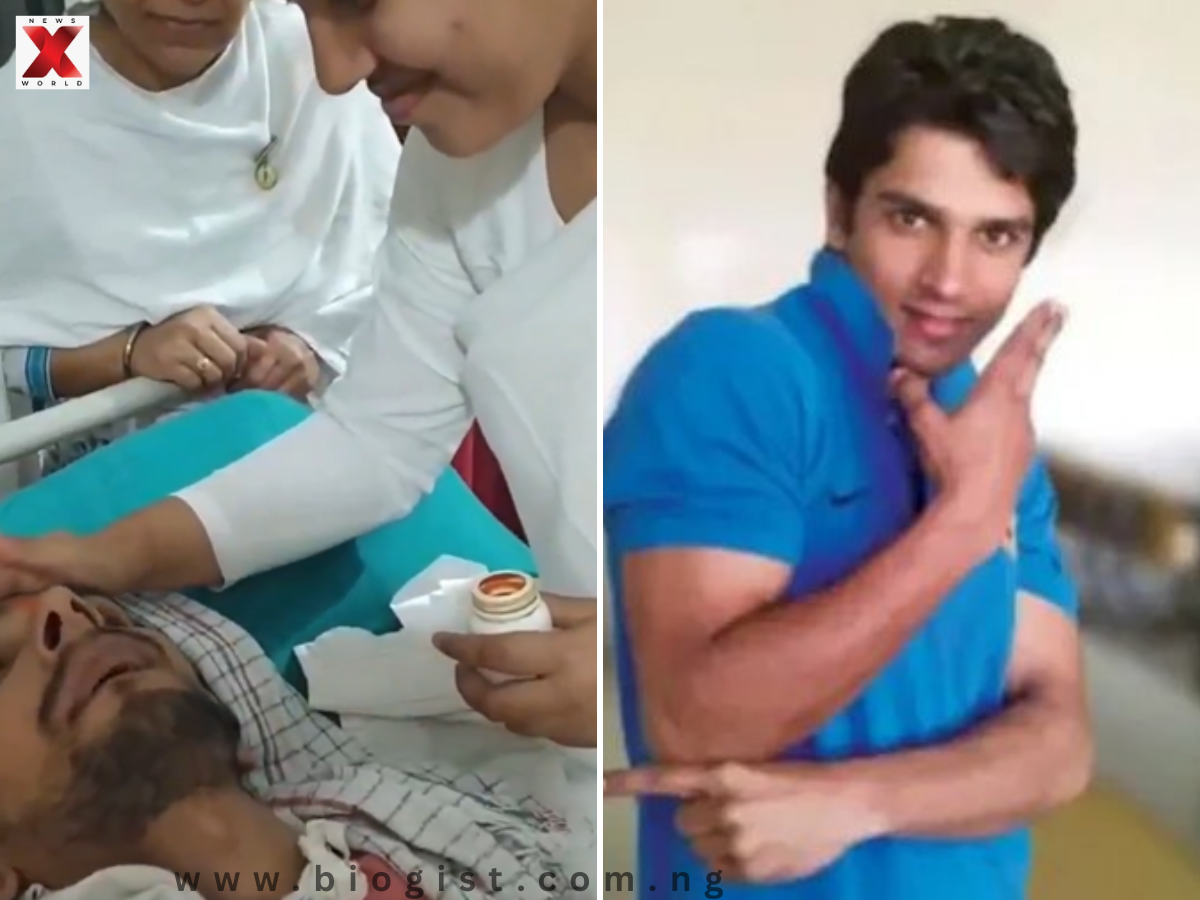
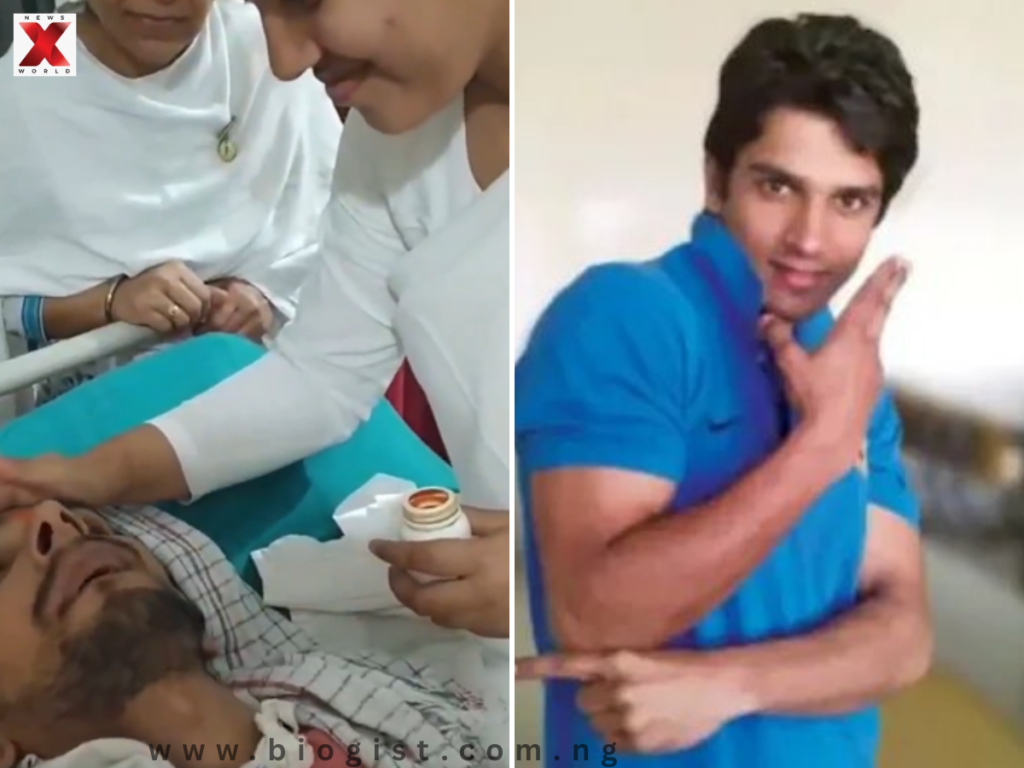
Harish Rana was not a celebrity, politician, or public figure in the traditional sense. Yet, his name is now permanently etched into India’s legal and medical history. He was a young man from Ghaziabad, India, whose life took an unimaginable turn after a tragic accident in 2013. At just around 18–19 years old at the time of the incident, he had dreams, ambitions, and a future ahead of him like any other student.
However, fate had different plans. After suffering a severe brain injury due to a fall, Harish entered a permanent vegetative state, meaning he was alive but without awareness or cognitive function. For over 13 years, he remained in this condition, dependent entirely on life-support systems and medical care.
His case later became one of the most significant legal battles in India concerning the right to die with dignity, a topic that sparks intense emotional and ethical debate.
Why His Story Matters
So, why is Harish Rana’s biography important? It’s not just about one individual—it’s about a nation grappling with a difficult question: Should a person be allowed to die peacefully when there is no hope of recovery?
His case became the first real-life application of passive euthanasia in India, setting a precedent for future cases. This transformed him from an ordinary citizen into a symbol of a larger humanitarian and legal issue.
Early Life and Background
Childhood and Family
Harish Rana was born into a modest Indian family in Ghaziabad, Uttar Pradesh. Like many middle-class households, his family placed strong emphasis on education, discipline, and values. He grew up surrounded by love, with parents who hoped to see him succeed and build a meaningful life.
Family members described him as a cheerful and ambitious young man. He was known for his friendly nature and dedication to his studies. There was nothing extraordinary about his life at the time—but perhaps that’s what makes his story so relatable and heartbreaking.
Education and Aspirations
Before the tragic incident, Harish was reportedly a student pursuing higher education, possibly in engineering or a similar technical field. He had dreams of building a career and supporting his family. Like countless young people, he was standing at the threshold of adulthood, ready to carve his own path.
But life can be unpredictable. In a single moment, everything changed.
The Tragic Incident of 2013
What Happened That Day
In 2013, Harish Rana suffered a catastrophic accident when he fell from a building in Chandigarh. The fall caused severe head injuries, particularly affecting his brain. This wasn’t just a minor injury—it was life-altering.
Imagine a single moment redefining your entire existence. That’s exactly what happened.
The accident left him unconscious, and despite medical intervention, he never regained consciousness.
Medical Consequences
Doctors diagnosed him with a permanent vegetative state (PVS). This condition is often misunderstood. It doesn’t mean brain death—but rather a state where the body continues basic functions like breathing, but the person has no awareness of themselves or their surroundings.
For over a decade, Harish remained in this condition, relying on artificial feeding and medical care. There was no significant improvement, and medical experts concluded that recovery was virtually impossible.
Harish Rana Biography: The Man Behind India’s Landmark Euthanasia Case
Life in a Vegetative State
Medical Condition Explained
A vegetative state is one of the most complex and emotionally challenging medical conditions. Patients may open their eyes or exhibit reflex movements, but they lack conscious awareness. In Harish’s case, this state lasted more than 13 years—far longer than most similar cases.
Medical professionals often consider such prolonged conditions irreversible. This raises difficult questions: Is survival without consciousness truly living?
Family’s Emotional Journey
Behind every medical case is a family—and Harish’s family endured unimaginable pain. For 13 years, they watched their son exist in a state between life and death.
His younger brother reportedly cared for him tirelessly, balancing personal responsibilities while ensuring Harish received proper attention. This kind of dedication is rare and speaks volumes about family bonds.
But emotional strength doesn’t erase suffering. Over time, the family began to question whether continuing life support was humane.
Legal Battle for Passive Euthanasia
Petition to the Supreme Court
Eventually, Harish Rana’s case reached the Supreme Court of India. His family sought permission to withdraw life-sustaining treatment, arguing that he had no chance of recovery and was only being kept alive artificially.
This wasn’t a simple legal matter—it was deeply emotional and ethically complex. Courts had to balance medical evidence, constitutional rights, and moral considerations.
Landmark Judgment in 2026
On March 11, 2026, the Supreme Court delivered a historic judgment. It allowed the withdrawal of life support for Harish Rana under strict medical supervision.
This ruling marked the first judicial implementation of passive euthanasia in an individual case in India. It emphasized the constitutional right to die with dignity under Article 21.
Understanding Passive Euthanasia
What It Means
Passive euthanasia involves withdrawing or withholding life-sustaining treatment, allowing a person to die naturally. Unlike active euthanasia, it does not involve administering substances to cause death.
In simple terms, it means letting nature take its course when medical intervention no longer serves a meaningful purpose.
Legal Status in India
India had previously recognized passive euthanasia in principle, but Harish Rana’s case became the first real-world application. It clarified procedures and reinforced safeguards to prevent misuse.
Final Days and Death
Withdrawal of Life Support
Following the court’s approval, doctors at All India Institute of Medical Sciences began a carefully monitored process of withdrawing life support. The goal was not to hasten death but to ensure comfort and dignity.
Medical teams administered palliative care to ease any discomfort.
Death and Public Reaction
Harish Rana passed away in March 2026 after over 13 years in a vegetative state. His death marked the end of a long and painful journey—not just for him, but for his entire family.
The public reaction was mixed. Some saw it as a compassionate decision, while others debated the ethical implications. But one thing was clear: his case had changed India forever.
Harish Rana Biography: The Man Behind India’s Landmark Euthanasia Case
Impact on Indian Society and Law
Ethical Debates
Harish Rana’s case reignited debates on:
- The definition of life
- The right to die
- The role of families in medical decisions
These aren’t easy questions. They challenge deeply held beliefs about morality, religion, and human dignity.
Legal Precedents
His case established a clear precedent, making it easier for future cases to navigate the legal system. It also strengthened the framework for passive euthanasia in India.
Legacy of Harish Rana
Influence on Medical Ethics
Doctors now have clearer guidelines when dealing with similar cases. The emphasis has shifted toward patient dignity and quality of life, not just survival.
Lessons for Society
Harish Rana’s story teaches us that life isn’t just about being alive—it’s about living with awareness, dignity, and purpose.
His journey, though tragic, sparked a national conversation that will continue for years.
Conclusion
Harish Rana’s biography is not just a life story—it’s a turning point in India’s legal and ethical landscape. From a young student with dreams to the center of a landmark Supreme Court ruling, his journey reflects both tragedy and transformation.
His case forced society to confront uncomfortable truths about life, death, and dignity. And while opinions may differ, his impact is undeniable.
FAQs
1. Who was Harish Rana?
Harish Rana was an Indian man who became the first individual to be granted passive euthanasia by the Supreme Court of India after remaining in a vegetative state for over 13 years.
2. What caused his condition?
He suffered a severe brain injury after falling from a building in 2013, which left him in a permanent vegetative state.
3. What is passive euthanasia?
It is the withdrawal of life-support treatment, allowing a patient to die naturally without active intervention.
4. Why is his case important?
His case set a legal precedent in India, clarifying the application of passive euthanasia laws.
5. When did Harish Rana die?
He passed away in March 2026 after life support was withdrawn following a Supreme Court ruling.