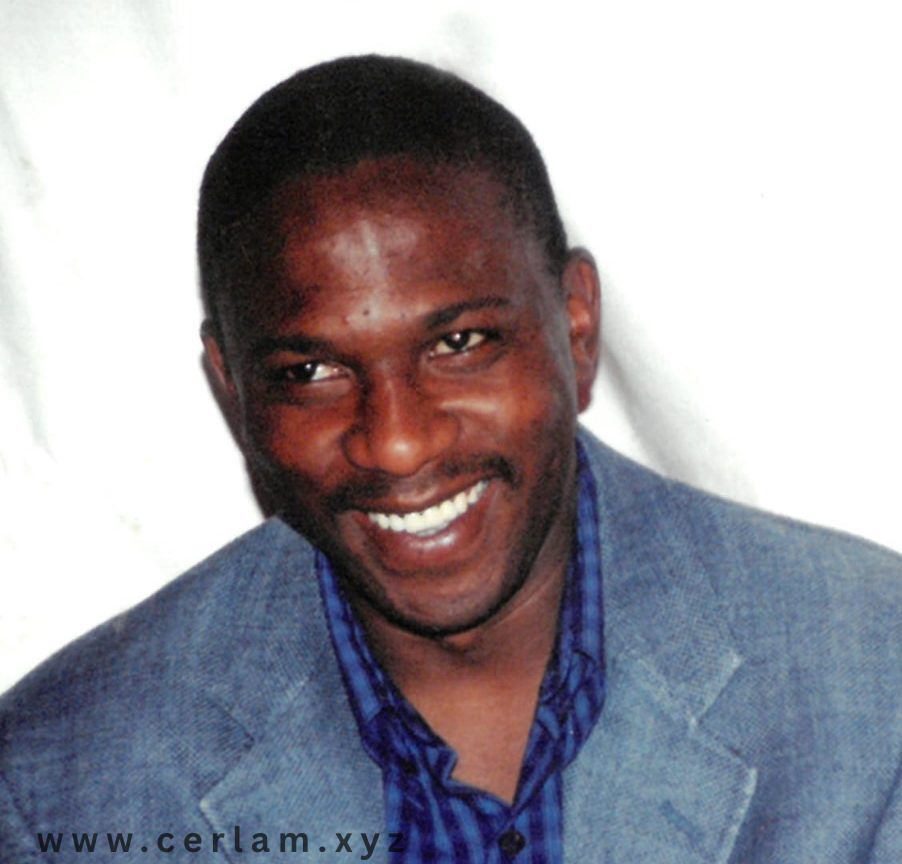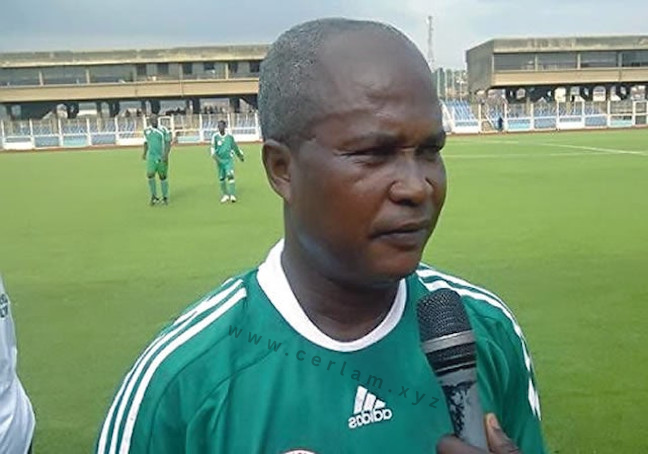
Introduction to Willy Ngoma
Willy Ngoma Biography: Life Career and Influence: When discussing influential figures within Central Africa’s modern political and military landscape, one name frequently surfaces: Willy Ngoma. This comprehensive willy ngoma biography explores the man behind the headlines, tracing his path from early life to military prominence, examining his influence, controversies, and the wider regional implications of his actions.
Willy Ngoma Biography: Life Career and Influence His story is layered. It intersects with national security, regional tensions, and global diplomatic conversations. To truly understand his trajectory, we need to look at the foundations that shaped him and the circumstances that elevated him to international attention.
Early Life and Background
Family and Upbringing
Willy Ngoma was born in the Democratic Republic of the Congo, a country with a deeply complex political and military history. Growing up in a nation marked by internal conflict and political instability inevitably shapes perspective. The environment in which he was raised was one where security, power structures, and governance were daily realities rather than abstract concepts.
While detailed public information about his family remains limited, it is widely understood that his early years were rooted in Congolese society’s post-conflict realities. Living in such an environment can cultivate resilience, adaptability, and strategic thinking, traits often associated with military leadership.
Willy Ngoma Biography: Life Career and Influence
Education and Early Influences
Education plays a foundational role in shaping any leader. In Ngoma’s case, his academic and professional training directed him toward the military sphere. Exposure to structured discipline, strategic planning, and hierarchical command systems became central to his development.
Early influences likely included national narratives around sovereignty and security. In countries with prolonged conflict histories, military institutions are not just defense mechanisms; they are pillars of state survival.
Willy Ngoma Biography: Life Career and Influence
Entry into the Public Sphere
Early Professional Career
Ngoma’s early career was tied closely to military service. Over time, he gained experience within defense structures, building his expertise in operational coordination and strategic communication.
Military careers demand loyalty, decisiveness, and calculated risk-taking. These traits began defining his public persona. Advancement in such institutions rarely happens by accident; it requires a blend of competence, trust from superiors, and the ability to manage high-pressure situations.
First Major Public Role
His visibility increased significantly when he took on roles connected to military communication. Acting as a spokesperson or communication figure within armed forces often requires balancing transparency with national security interests.
That role placed him at the intersection of information and power — a space where narratives are shaped and public opinion is influenced.
Military and Political Connections
Role in National Security
Willy Ngoma became associated with military operations and security affairs that carried national and regional implications. In a country as strategically important as the Democratic Republic of the Congo, security officials frequently operate within broader geopolitical frameworks.
Military leadership in such contexts extends beyond defense. It involves border stability, counterinsurgency operations, and coordination with neighboring states.
Strategic Communications and Media
Communication in modern military operations is as important as tactical planning. Messaging can shape international reactions, domestic confidence, and diplomatic positioning.
Ngoma’s communication role meant he was often the face of official narratives. Delivering statements, responding to allegations, and addressing public concerns required composure and strategic precision.
Rise to Prominence
Key Moments That Elevated His Profile
His prominence increased during periods of heightened regional tension, particularly involving armed groups and border disputes. Statements made during such crises often attract international media coverage.
Visibility in high-stakes moments can rapidly elevate an official’s profile. With visibility comes scrutiny — both domestically and internationally.
Public Recognition and Media Coverage
International outlets began referencing his name more frequently as geopolitical tensions intensified. This attention expanded beyond local media into global diplomatic discussions.
Public recognition is rarely neutral. Some view strong military voices as stabilizing forces. Others see them as controversial actors within larger conflicts.
Leadership Style and Public Image
Communication Approach
Observers often describe Ngoma’s communication style as firm and direct. Military messaging typically avoids ambiguity, and that clarity can project strength.
Strong communication can serve as both shield and sword — defending institutional reputation while advancing strategic narratives.
Public Perception
Public perception varies widely depending on perspective. Supporters may see commitment to national sovereignty and security. Critics may interpret the same actions differently.
In politically sensitive regions, reputation is rarely uniform. It shifts depending on audience, media framing, and evolving geopolitical realities.
Controversies and Challenges
International Sanctions
At certain points, Ngoma’s name surfaced in connection with international sanctions. Sanctions often reflect broader geopolitical tensions rather than solely individual actions.
When governments or international bodies impose sanctions, the implications extend beyond personal consequences. They shape diplomatic relationships and influence public discourse.
Media Scrutiny
Media scrutiny intensified as allegations and counter-allegations circulated in global forums. In the age of digital journalism, narratives travel instantly across borders.
Handling scrutiny requires strategic messaging, institutional backing, and consistent positioning.
Regional and Global Impact
Influence Beyond National Borders
Military figures operating in volatile regions often influence regional dynamics. Statements made in one capital can ripple across neighboring countries.
Willy Ngoma’s role intersected with broader discussions about security alliances, armed group activity, and diplomatic negotiations.
Diplomatic and Strategic Significance
Security officials often become central figures in diplomatic negotiations, either directly or symbolically. Their actions and words can escalate or de-escalate tensions.
In regions with fragile stability, military communication can function as both warning and reassurance.
Personal Life and Values
Private Life
Compared to his professional presence, details about Ngoma’s personal life remain largely private. Maintaining privacy is common for high-ranking security officials.
Public focus tends to center on institutional roles rather than family or lifestyle details.
Beliefs and Ideology
Public statements suggest a strong emphasis on sovereignty and national defense. Such positions align with broader military doctrine emphasizing territorial integrity.
Ideological leanings often reflect institutional values rather than purely personal beliefs.
Legacy and Future Outlook
Long-Term Influence
The long-term legacy of Willy Ngoma will likely be tied to the era of regional tensions during which he gained prominence. Military officials are often remembered in connection with specific crises.
Whether viewed as defender or controversial actor, his name is linked to a pivotal chapter in Central African geopolitics.
What Lies Ahead
The future trajectory depends on evolving political and military landscapes. Shifts in diplomatic relations, regional agreements, or internal reforms could reshape public perception.
Leadership in volatile regions is rarely static. It evolves with circumstances.
Conclusion
This detailed Willy Ngoma Biography explores a figure whose career intersects with security, communication, and geopolitical tension. From early military involvement to heightened international visibility, his story reflects the complexities of leadership within a volatile region.
In examining his journey, we see how military roles extend beyond strategy into narrative, diplomacy, and public perception. His legacy, shaped by both support and criticism, remains intertwined with broader regional developments.
FAQs
1. Who is Willy Ngoma?
Willy Ngoma is a Congolese military officer known for his role in national security and military communications.
2. Why is Willy Ngoma internationally recognized?
He gained international attention during periods of regional tension and geopolitical disputes.
3. Has Willy Ngoma faced sanctions?
Yes, his name has appeared in discussions involving international sanctions linked to regional conflicts.
4. What is his role in the military?
He has been associated with strategic communication and defense-related operations.
5. Why is his biography widely searched?
Public interest stems from his involvement in high-profile security matters and regional political dynamics.