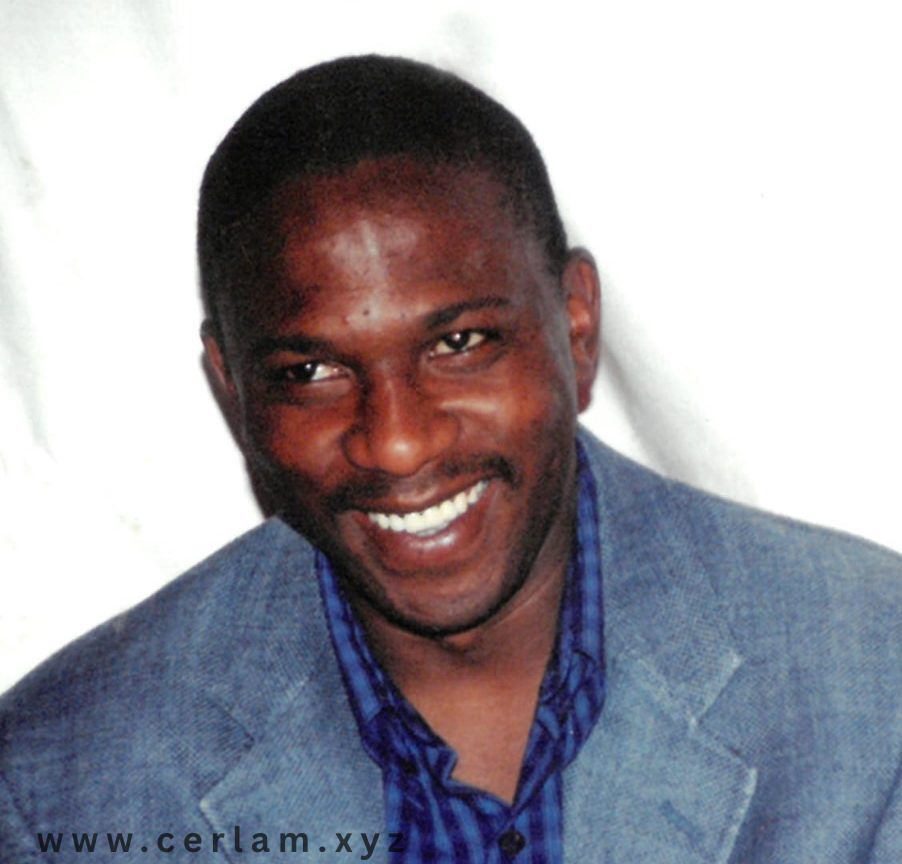
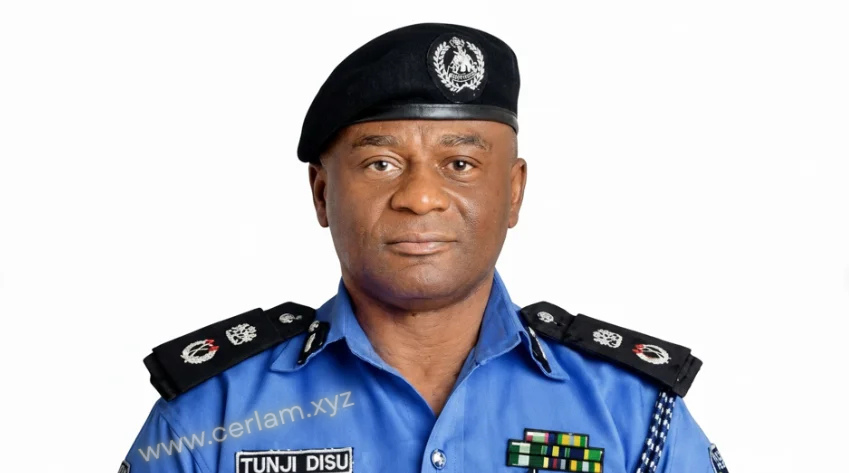
Introduction: Who Is Tunji Disu?
Tunji Disu Biography: When conversations turn to law enforcement leadership in Nigeria, one name often stands out—Tunji Disu. Known for discipline, strategy, and operational strength, he has carved a solid reputation within the Nigerian Police Force. But beyond the uniform and official titles lies a story of resilience, professional growth, and public service.
Who is Tunji Disu beyond the headlines? What shaped his leadership style? And how did he rise through the ranks in one of Africa’s most challenging policing environments?
This detailed biography explores his early life, education, career progression, leadership achievements, controversies, and lasting impact.
Early Life and Background
A Nigerian Upbringing Rooted in Discipline
Tunji Disu was born and raised in Nigeria, a nation known for its cultural diversity, economic potential, and complex security challenges. Growing up in such an environment inevitably shapes perspective.
His early life reflected structure and ambition. From a young age, discipline and responsibility were not optional—they were expectations.
Family Influence and Values
Tunji Disu Biography: Family plays a significant role in shaping future leaders. Tunji Disu’s upbringing instilled in him core values such as integrity, accountability, and resilience. These qualities would later define his professional identity.
Have you ever noticed how strong leaders often come from structured backgrounds? There’s usually a pattern—clear expectations, moral guidance, and early lessons in responsibility.
Educational Journey
Primary and Secondary Education
Tunji Disu completed his foundational education in Nigeria, where he developed early interests in leadership and civic responsibility. His academic years laid the groundwork for analytical thinking and structured problem-solving.
Education isn’t just about textbooks. It’s about training the mind to assess situations critically—something crucial in law enforcement.
Higher Education and Professional Training
To strengthen his expertise, Tunji Disu pursued higher education and professional training programs relevant to policing and public administration. Law enforcement in modern times requires more than physical strength—it demands intelligence, strategic planning, and adaptability.
Officers in senior ranks often undergo advanced training in criminal investigation, public order management, and leadership development. These programs prepared him for complex operational roles.
Joining the Nigerian Police Force
Beginning of a Law Enforcement Career
Tunji Disu joined the Nigeria Police Force with determination and clarity of purpose. Policing in Nigeria is not a simple job. It demands courage, patience, and an unwavering sense of duty.
His early years in the force were focused on learning the ropes—understanding internal structures, mastering investigative procedures, and gaining field experience.
Climbing the Ranks
In any disciplined organization, promotions are earned through performance. Tunji Disu steadily rose through the ranks, building a reputation for efficiency and leadership capability.
Each promotion represented more than a title—it signified trust.
Operational Experience and Key Assignments
Tactical and Investigative Roles
Throughout his career, Disu handled several high-pressure assignments. Tactical roles demand quick decision-making under stress. Investigative roles require patience and detail orientation.
Balancing both is not easy. Yet, he demonstrated adaptability in multiple capacities.
Experience in High-Risk Environments
Nigeria’s security environment presents unique challenges—armed robbery, cybercrime, kidnapping, organized crime networks. Officers assigned to major cities face constant pressure.
Tunji Disu’s operational record reflects involvement in managing such complexities, strengthening his profile as a capable officer.
Rise to Prominence
Appointment as DCP, IGP Intelligence Response Team (IRT)
Tunji Disu Biography: One of the significant turning points in his career was his appointment to lead the Intelligence Response Team (IRT), a specialized unit within the police structure.
This role placed him in the national spotlight. Leading the IRT meant overseeing sensitive investigations and tackling high-profile criminal activities.
Leadership at that level requires not just authority—but strategic precision.
Commissioner of Police, Rivers State
Tunji Disu also served as Commissioner of Police in Rivers State, one of Nigeria’s politically and economically significant states.
Rivers State has historically faced security tensions, making the role both demanding and critical. His tenure required balancing political sensitivity with operational firmness.
Leadership Style and Philosophy
Discipline and Structure
Colleagues often describe Disu as disciplined and structured. His leadership approach emphasizes operational clarity and accountability.
Good leadership in law enforcement is like conducting an orchestra—every unit must function in harmony.
Community Engagement Approach
Modern policing extends beyond arrests and patrols. It includes community engagement. Tunji Disu’s leadership emphasized communication between law enforcement and civilians.
Trust builds security. Without trust, enforcement becomes friction.
Achievements and Impact
Crime Reduction Efforts
Under his leadership in various roles, there were notable crackdowns on criminal networks. Targeted operations against kidnappers and organized crime groups strengthened public perception of active policing.
Strategic raids and intelligence-driven operations became part of his administrative style.
Strengthening Intelligence-Based Policing
Intelligence is the backbone of modern law enforcement. Rather than reactive policing, Disu focused on proactive intelligence gathering to anticipate threats before escalation.
It’s like playing chess instead of checkers—thinking multiple moves ahead.
Challenges and Controversies
Operating in a Politically Sensitive Environment
Policing in Nigeria intersects with politics, public opinion, and social activism. Senior officers inevitably face criticism and scrutiny.
Tunji Disu navigated such environments while maintaining professional focus.
Public Scrutiny and Media Attention
High-ranking police officials are frequently under media observation. Decisions made in crisis situations often generate debate.
Leadership requires making tough calls—even when they aren’t universally popular.
Tunji Disu’s Role in National Security
Combatting Organized Crime
Nigeria has faced organized criminal networks operating across regions. Units led by Disu have targeted such networks using coordinated strategies.
Counter-Kidnapping Operations
Kidnapping has posed serious security challenges in parts of Nigeria. Intelligence-based operations under his watch contributed to disrupting certain criminal activities.
Security leadership is less about visibility and more about results.
Professional Development and Continuous Learning
Training Programs and Certifications
Senior officers frequently attend national and international training workshops on counter-terrorism, public safety, and crisis management.
Such exposure broadens perspective and introduces global best practices.
Adapting to Modern Policing Technologies
Technology is reshaping law enforcement worldwide—cybercrime units, digital surveillance tools, and forensic advancements. Leaders like Disu must stay updated to remain effective.
The future of policing is digital.
Personal Life
Family and Privacy
Despite public roles, Tunji Disu maintains relative privacy regarding his family life. Senior security officials often choose discretion for safety reasons.
Balance between duty and personal life is essential but challenging.
Life Beyond the Uniform
Behind every uniform is a human being. Interests, hobbies, and personal reflections often remain unseen—but they contribute to resilience and mental strength.
Net Worth and Financial Standing
Sources of Income
Tunji Disu’s primary income stems from his career within the Nigerian Police Force. Senior officers receive structured salaries, allowances, and official benefits.
Public Service Over Profit
Unlike private-sector executives, public servants operate within government pay scales. Leadership in law enforcement is more about responsibility than wealth accumulation.
Reputation Within the Police Force
Peer Recognition
Internal respect among colleagues often matters more than public applause. Climbing to high-ranking positions suggests peer trust and institutional confidence.
Command Authority
Leadership roles such as Commissioner of Police and head of strategic units require strong command presence and organizational skills.
Authority must be earned—and sustained.
Tunji Disu and Modern Nigerian Policing
Reforms and Institutional Growth
The Nigerian Police Force continues to evolve. Leaders like Disu contribute to internal reforms focused on efficiency and professionalism.
Public Perception and Accountability
Modern policing demands transparency and accountability. Balancing enforcement with rights protection remains an ongoing mission.
Lessons from Tunji Disu’s Career
What can we learn from his journey?
- Discipline builds credibility.
- Intelligence strengthens leadership.
- Strategic thinking prevents crisis escalation.
- Resilience sustains long-term success.
- Public service demands sacrifice.
His biography reflects structured ambition rather than overnight fame.
Current Position and Future Outlook
As his career progresses, Tunji Disu remains an influential figure within Nigeria’s law enforcement structure.
Future roles may include higher national responsibilities or advisory positions focused on security strategy.
Leadership evolves. Experience compounds.
Interesting Facts About Tunji Disu
- He has led specialized intelligence operations.
- He has served in high-profile state command roles.
- His career spans decades within Nigeria’s policing system.
- He emphasizes intelligence-driven operations.
- He represents structured, disciplined leadership.
Conclusion
The biography of Tunji Disu is a story of discipline, leadership, and national service. Rising through the ranks of the Nigeria Police Force, he demonstrated strategic thinking, operational courage, and administrative capability.
From tactical field roles to high-level command positions, his journey reflects resilience in one of Africa’s most complex security landscapes.
Leadership in law enforcement is not glamorous. It’s demanding. It’s scrutinized. It’s risky. Yet figures like Tunji Disu continue to shoulder that responsibility.
His story reminds us that security leadership requires more than authority—it requires integrity, intelligence, and unwavering commitment to public service.
Frequently Asked Questions (FAQs)
1. Who is Tunji Disu?
Tunji Disu is a senior Nigerian police officer known for leading strategic units such as the Intelligence Response Team and serving as Commissioner of Police.
2. What is Tunji Disu known for?
He is recognized for intelligence-based policing, crime reduction efforts, and leadership in high-risk security environments.
3. Where has Tunji Disu served?
He has served in various operational roles, including Commissioner of Police in Rivers State and head of the IRT.
4. What leadership style does Tunji Disu use?
His leadership emphasizes discipline, structured operations, intelligence gathering, and accountability.
5. What impact has Tunji Disu had on Nigerian policing?
He has contributed to intelligence-driven security strategies and strengthened operational responses to organized crime.