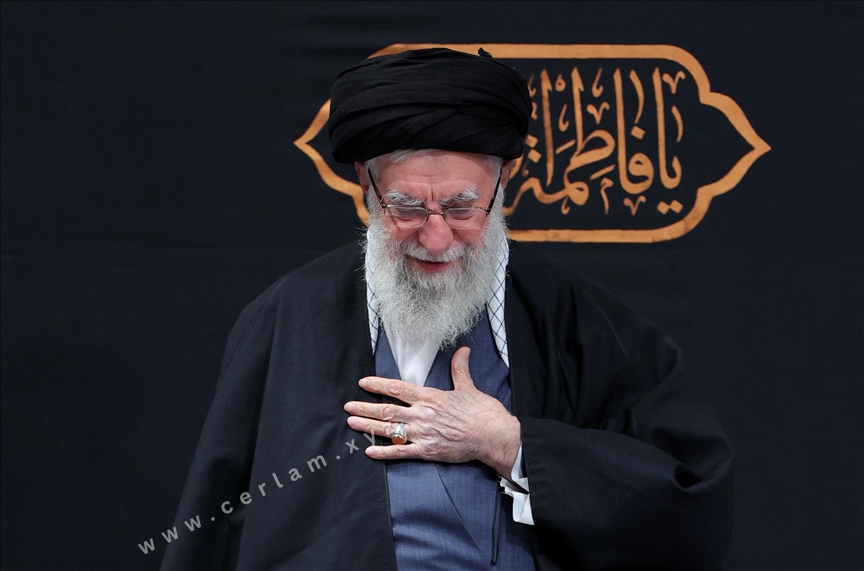
Introduction to Ayatollah Ali Khamenei
Ayatollah Ali Khamenei Biography: Life, Leadership, and Legacy: When you talk about modern Iran, one name dominates the conversation: Ali Khamenei. For more than three decades, he has stood at the center of Iran’s political and religious system. But how did a cleric from Mashhad rise to become one of the most powerful figures in the Middle East?
Let’s unpack the story — layer by layer.
Why He Is a Central Figure in Modern Iran
In Iran’s unique political system, the Supreme Leader holds authority that stretches far beyond a typical head of state. Khamenei isn’t just a political figure; he is the highest religious authority within the Islamic Republic’s structure.
Overview of His Political and Religious Authority
As Supreme Leader, he oversees the armed forces, judiciary, and state broadcasting. Think of him as the anchor of Iran’s political ship — steady, firm, and deeply rooted in ideology.
Early Life and Family Background
Birth in Mashhad
Ali Khamenei was born on April 19, 1939, in Mashhad, a major religious city in northeastern Iran. Mashhad isn’t just any city — it’s home to the Imam Reza shrine, one of Shia Islam’s holiest sites.
Family Roots and Religious Upbringing
He was born into a religious family. His father was a cleric, and the household atmosphere revolved around Islamic scholarship and modest living.
Influence of Clerical Heritage
Growing up in such an environment shaped his worldview early. Religion wasn’t just a subject — it was life itself.
Education and Religious Training
Early Islamic Studies
Khamenei began studying the Quran and Islamic jurisprudence at a young age. His education followed the traditional Shia seminary system.
Advanced Theological Education in Qom
He later moved to Qom, Iran’s most important center for Shia scholarship, where he studied under prominent clerics.
Mentorship Under Prominent Scholars
Ayatollah Ali Khamenei Biography: Life, Leadership, and Legacy
One of the most influential figures in his life was Ruhollah Khomeini. Khomeini’s revolutionary ideas deeply impacted him.
Political Awakening and Opposition to the Shah
Influence of Ruhollah Khomeini
During the 1960s and 1970s, Iran was ruled by Shah Mohammad Reza Pahlavi. Khamenei became increasingly involved in opposition movements inspired by Khomeini.
Arrests and Imprisonment
His activism led to multiple arrests by the Shah’s secret police. These experiences hardened his resolve.
Exile and Surveillance
Like many revolutionaries, he faced surveillance and restrictions. But pressure often creates diamonds, doesn’t it?
Role in the Iranian Revolution of 1979
Activities During the Revolution
As protests intensified in 1978–1979, Khamenei played an active role in mobilizing support for the revolution.
Rise in Revolutionary Circles
After the Shah fled Iran and the Islamic Republic was established, Khamenei quickly became part of the new leadership circle.
Early Roles in the Islamic Republic
Membership in the Revolutionary Council
He was appointed to influential positions in the early years of the Islamic Republic, helping shape its political structure.
Friday Prayer Leadership in Tehran
He became Tehran’s Friday prayer leader — a position with both religious and political weight.
Presidency of Iran (1981–1989)
Election After Political Turmoil
Following the assassination of President Mohammad Ali Rajai, Khamenei was elected President in 1981.
Governance During the Iran-Iraq War
His presidency coincided with the brutal Iran-Iraq War. Resources were stretched thin, and the country faced international isolation.
Relationship with Prime Minister Mir-Hossein Mousavi
He worked alongside Prime Minister Mir-Hossein Mousavi during wartime governance.
Appointment as Supreme Leader of Iran
Death of Ayatollah Khomeini
When Ayatollah Khomeini died in 1989, Iran faced a leadership vacuum.
Selection by the Assembly of Experts
The Assembly of Experts selected Khamenei as Supreme Leader, even though he did not initially hold the highest clerical rank.
Constitutional Changes and Authority Expansion
Subsequent constitutional amendments strengthened the powers of the Supreme Leader, solidifying his authority.
Powers and Responsibilities as Supreme Leader
Control Over the Armed Forces
Khamenei serves as commander-in-chief of Iran’s armed forces, including the Revolutionary Guard.
Influence Over Judiciary and Media
He appoints key judiciary officials and controls state broadcasting.
Role in Foreign Policy
Major foreign policy decisions ultimately require his approval.
Domestic Policies and Governance Style
Economic Vision
Khamenei has promoted a “resistance economy” model, focusing on self-sufficiency amid sanctions.
Social and Cultural Policies
He supports conservative cultural policies aligned with Islamic principles.
Approach to Political Dissent
His leadership has faced criticism for crackdowns on dissent.
Foreign Relations and Global Influence
Relations with the United States
Relations between Iran and the U.S. have remained tense throughout his tenure.
Regional Policies in the Middle East
Iran has expanded its influence in Iraq, Syria, and Lebanon under his leadership.
Nuclear Program Stance
He has supported Iran’s nuclear development while denying intentions to build nuclear weapons.
Controversies and Criticisms
2009 Election Protests
The disputed 2009 election led to widespread protests, challenging his authority.
Human Rights Concerns
International organizations have criticized Iran’s human rights record.
International Sanctions
Iran has faced extensive sanctions, impacting its economy.
Personal Life and Character
Family and Private Life
Khamenei is married and has children, though he keeps family life largely private.
Literary Interests and Writings
He is known for his interest in poetry and literature.
Public Persona
Publicly, he projects an image of simplicity and ideological firmness.
Legacy and Historical Impact
Longest-Serving Leader of the Islamic Republic
Khamenei is the longest-serving Supreme Leader in Iran’s history.
Influence on Iran’s Political Structure
He has shaped Iran’s political and military institutions profoundly.
Future of Leadership in Iran
Questions remain about succession and the future direction of the Islamic Republic.
Conclusion
Ayatollah Ali Khamenei’s biography is a story of religious scholarship, political revolution, and enduring authority. From a young seminary student in Mashhad to Supreme Leader of Iran, his journey mirrors the transformation of modern Iran itself. Whether admired or criticized, his influence on Iran and the broader Middle East is undeniable. Like a long shadow cast at sunset, his legacy stretches across decades — shaping debates, policies, and the future of a nation.
FAQs
1. When was Ali Khamenei born?
He was born on April 19, 1939, in Mashhad, Iran.
2. When did he become Supreme Leader?
He became Supreme Leader in 1989 after the death of Ayatollah Ruhollah Khomeini.
3. How long was he President of Iran?
He served as President from 1981 to 1989.
4. What powers does the Supreme Leader hold?
He controls the armed forces, appoints key officials, and influences major national policies.
5. What is his stance on foreign policy?
He advocates resistance to Western influence and supports regional alliances aligned with Iran’s interests.