
Early Life and Origins
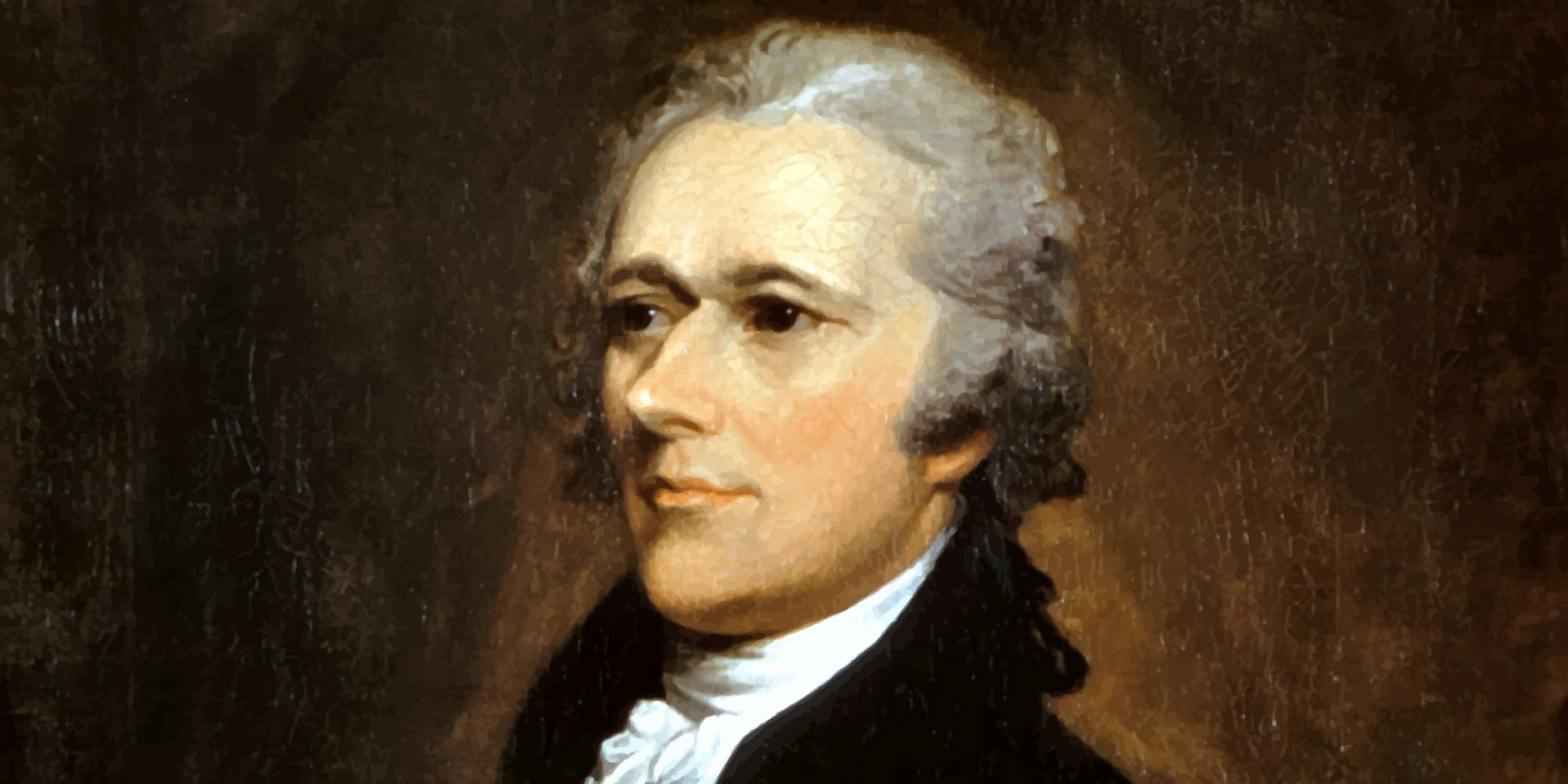
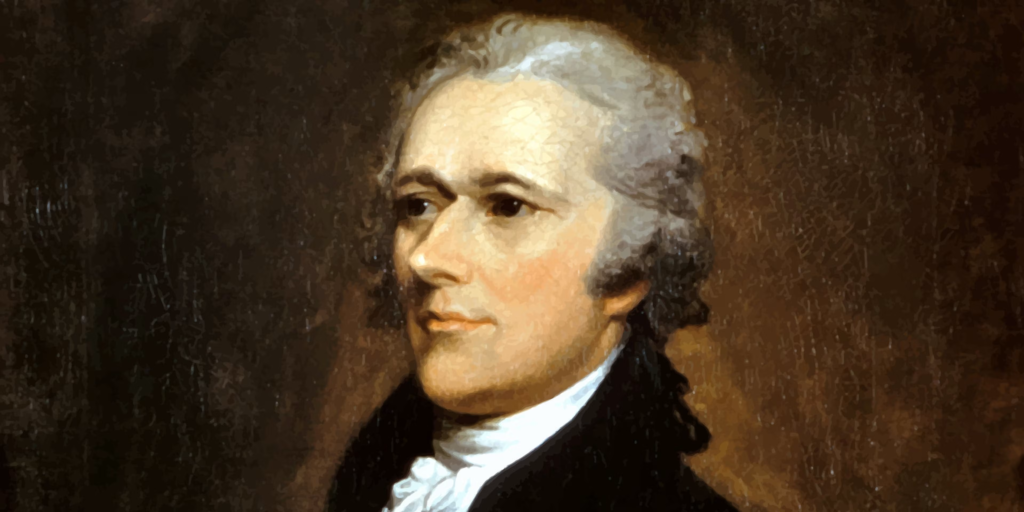
Alexander Hamilton Biography: From Caribbean Orphan to American Statesman
Imagine being born on a tiny Caribbean island with almost no future, only to rise and help build a nation from scratch. That’s the incredible start of Alexander Hamilton’s life. Hamilton was born on January 11, 1755 or 1757, in Charlestown on the island of Nevis in the British West Indies.
From the beginning, his life was marked by hardship. His father, James Hamilton, was a trader who drifted between Caribbean islands, and his mother, Rachel Lavine, struggled to support the family. By age 12, Hamilton faced tragedy twice — first when his father left the family, and then when his mother died of tropical fever, leaving him and his brother essentially orphaned.
Despite these early blows, Hamilton’s sharp mind began to shine. By his early teens, he was working as a clerk for a local import-export company in St. Croix, where he quickly demonstrated skills in bookkeeping, language, and business. Employers soon trusted him with responsibilities far beyond his age.
This early period is like watching a seed struggle for light under soil — but once it breaks ground, it grows fast. Hamilton’s intellect, ambition, and sheer determination set the stage for the remarkable life that followed.
Education and Intellectual Rise
Alexander Hamilton Biography: From Caribbean Orphan to American Statesman
Hamilton’s talent didn’t go unnoticed. Local merchants and friends were so impressed with his abilities that they raised funds to send him to North America for schooling.
In 1773, Hamilton arrived in New York and enrolled at King’s College, which later became Columbia University. It was here that he became deeply involved in debates about British policies and American rights. Hamilton wasn’t just a student — he was a writer, thinker, and budding revolutionary. He penned pamphlets defending colonial resistance to British control, making his voice heard long before bullets were fired.
His time at King’s College marked a turning point not just in education, but in identity. Hamilton began to see himself not as a Caribbean orphan, but as a future leader in a struggle for self-government.
American Revolution Involvement
When the American Revolution broke out, Hamilton didn’t just sit on the sidelines — he jumped in with both feet. In March 1776, New York allies helped secure a captain’s commission for him in the provincial artillery. He organized his own company and won respect on the battlefield, especially at the Battle of Trenton, where he helped stop British forces in a key encounter.
In February 1777, George Washington noticed Hamilton’s brilliance and appointed him his aide-de-camp with the rank of lieutenant colonel. Over four years, Hamilton became one of Washington’s most trusted officers, managing correspondence, diplomatic communications (he spoke French), and important missions — essentially acting as Washington’s strategic right hand.
At the Siege of Yorktown in 1781 — effectively the decisive battle of the Revolution — Hamilton commanded troops on the field. His leadership helped bring about British General Cornwallis’s surrender, essentially ending the Revolutionary War.
Hamilton wasn’t just a thinker or writer — he proved himself under fire, earning admiration from soldiers and generals alike.
Post-War Legal and Political Beginnings
When the war ended, Hamilton shifted gears. He studied law, passed the bar in 1782, and began practicing in New York City.
Hamilton’s legal career wasn’t about small-time cases. He defended unpopular loyalists — those who had remained loyal to the British — arguing for fairness and due process. This stance helped roll back laws that were punishing them unfairly, showing Hamilton’s commitment to justice even when public opinion was against it.
His legal work placed him squarely in New York political circles, and before long, Hamilton was elected to the Continental Congress, where he began pushing for a stronger, more effective national government.
Role in Drafting and Ratifying the Constitution
Hamilton’s political influence grew quickly. In 1786, he took part in the Annapolis Convention, where he first proposed a broader Constitutional Convention to address the weaknesses of the Articles of Confederation.
The following year, Hamilton attended the Constitutional Convention in Philadelphia. Though his plan for a national government with nearly unlimited power didn’t prevail, Hamilton’s presence and arguments helped shape the document that would become the U.S. Constitution. Importantly, he signed the Constitution on his own initiative, even though New York’s official delegates had withdrawn.
Hamilton understood that ratification would not be easy. To persuade the public and state legislatures, he teamed with James Madison and John Jay to write The Federalist Papers, a series of essays defending the Constitution and explaining its benefits. Hamilton wrote 51 of the 85 essays, showcasing his intellectual depth and persuasive skill.
First U.S. Secretary of the Treasury
When George Washington became the first president in 1789, he appointed Hamilton as the first Secretary of the Treasury.
Hamilton’s financial plan was bold. He believed a strong central government needed a stable financial system. His proposals included:
- Federal assumption of state debts
- Creation of a national bank
- Promotion of manufacturing and industry
These ideas weren’t universally popular. Thomas Jefferson and others believed Hamilton’s approach favored the wealthy and centralized too much power. But Hamilton stood his ground, helping stabilize the new nation’s finances and establishing the foundation for the U.S. economic system.
Personal Life and Family
Hamilton married Elizabeth Schuyler in 1780, aligning him with a prominent New York family and giving him a secure social footing. Together, they had eight children, many of whom later made names for themselves in law, military service, and public life.
Though often caught up in the whirlwind of politics, Hamilton’s letters show a deep affection for his wife and children. His personal struggles — including affairs and scandals — remind us that even great leaders are human and flawed.
Political Rivalries and Decline
Hamilton’s political life wasn’t all smooth sailing. His vision clashed repeatedly with leaders like Thomas Jefferson, leading to the formation of the Federalist Party and its opposition, the Democratic-Republicans.
But perhaps the most infamous feud was with Aaron Burr. Years of political competition and personal disdain culminated in June 1804, when Burr challenged Hamilton to a duel. Hamilton was mortally wounded and died the next day at age 49.
The duel marked a tragic end to a brilliant life and highlighted the intense passions of early American politics.
Legacy and Cultural Impact
Hamilton’s influence didn’t fade with his death. His financial system endured, shaping the U.S. economy for centuries. His arguments for a strong federal government helped ensure the Constitution’s longevity.
Centuries later, his life took on new cultural life through the 2015 Broadway musical Hamilton, created by Lin-Manuel Miranda. The production blends hip-hop, R&B, and Broadway styles to tell Hamilton’s story, making him a global historical icon and introducing him to new generations.
Historic sites like Hamilton Grange in New York City preserve his legacy, offering visitors a deep reminder of the man behind the myth.
Conclusion
Alexander Hamilton’s biography is the story of a man who overcame intense hardship, rose to the heights of power, and left a mark that still shapes the United States today. From Caribbean orphan to Founding Father, his life teaches us about resilience, ambition, and the power of ideas. His legacy — political, financial, and cultural — continues to resonate centuries after his death.
FAQs
1. When was Alexander Hamilton born?
He was born on January 11, 1755 or 1757 in Nevis in the British West Indies.
2. What major document did Hamilton help promote?
He helped promote the U.S. Constitution and co-wrote the Federalist Papers.
3. What was Hamilton’s role in the U.S. government?
He served as the first Secretary of the Treasury under President George Washington.
4. How did Hamilton die?
He died from wounds sustained in a duel with Aaron Burr in 1804.
5. Why is Hamilton remembered today?
He is remembered for shaping the U.S. financial system and his role as a Founding Father, as well as the popular musical inspired by his life.